
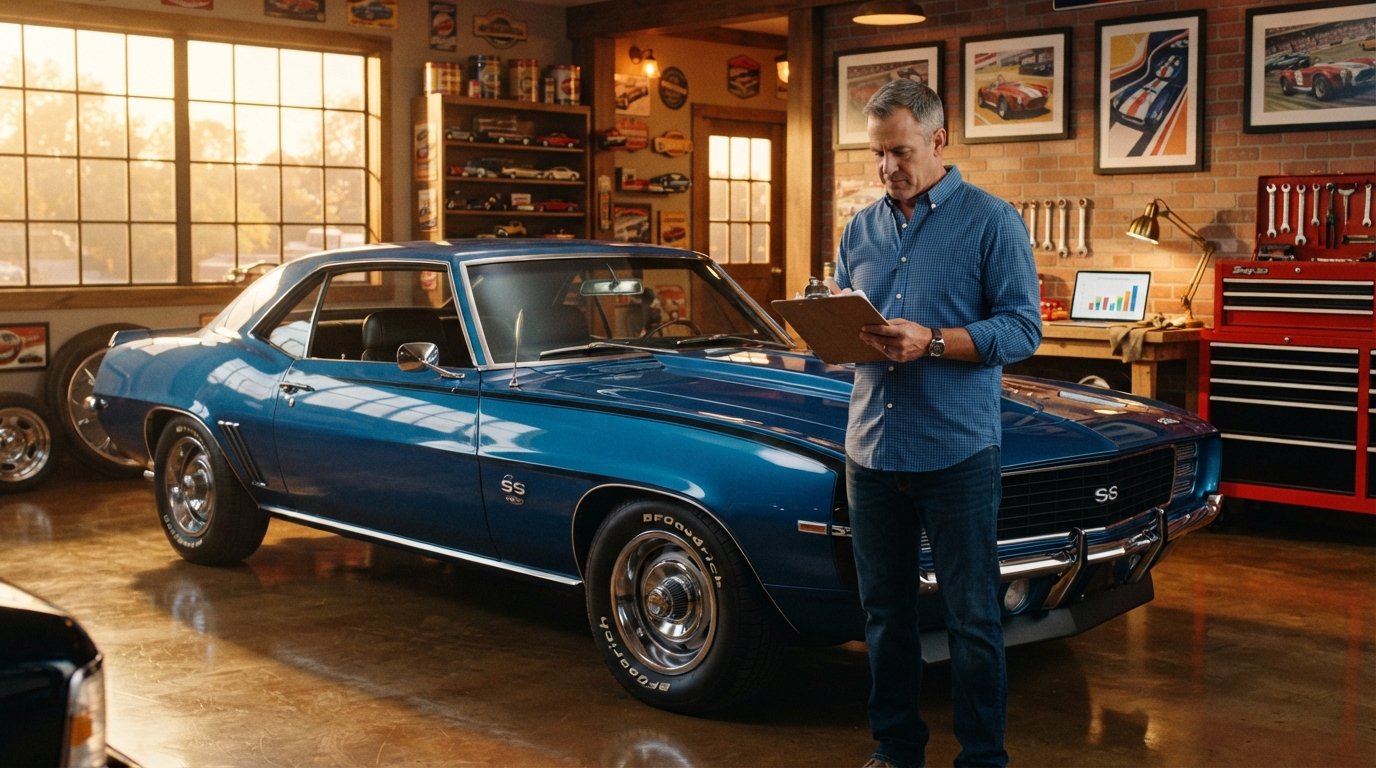
Financing a Classic Car or Collector Vehicle Loan
Financing a classic car or collector vehicle loan works differently than standard auto loans. Learn how lenders evaluate collector cars and secure the best terms.

By Amanda Brooks
Classic and collector vehicles occupy a unique space in the automotive world. They are not just transportation; they are rolling investments, family heirlooms, and weekend passions. Yet when it comes time to buy one, the financing playbook that works for a daily driver often falls apart. Banks may hesitate, rates can swing wildly, and the difference between a good loan and a bad one can cost thousands over the life of the agreement. Understanding how financing a classic car or collector vehicle loan actually works is the difference between paying a fair price for your dream and overpaying for the privilege.
Why Classic Car Loans Are Different From Standard Auto Loans
Traditional auto lenders rely on standardized valuation tools. They look up a make, model, year, and mileage in a database, apply a depreciation curve, and issue a loan based on that number. Collector vehicles break every part of that model. A 1969 Chevrolet Camaro and a 2019 Chevrolet Camaro share a name and almost nothing else in the eyes of a lender. The older car may be worth three times the newer one, or it may be worth less, depending entirely on condition, provenance, matching numbers, and restoration quality.
That uncertainty is why many mainstream banks and credit unions simply decline classic car loan applications. They lack the expertise to appraise a vehicle that does not follow a standard depreciation schedule. Instead, the market is served by specialty lenders, collector-focused credit unions, and financing arms of companies that understand the hobby. These lenders typically require a professional appraisal, may cap loan-to-value ratios more conservatively, and often structure loans differently than a standard installment contract.
There is also the question of how the vehicle will be used. A collector car that sits in a climate-controlled garage and accumulates 500 miles a year presents a different risk profile than one driven daily. Some lenders restrict mileage, require garaging, or mandate specific insurance coverage. Understanding these conditions before you apply saves time and prevents surprises at the closing table.
How Lenders Evaluate Collector Vehicles
When a lender considers financing a classic car or collector vehicle loan, it looks at three broad categories: the borrower, the vehicle, and the structure of the deal. The borrower side is familiar: credit score, income, debt-to-income ratio, and payment history. The vehicle side is where things get specialized. Most collector lenders will require an independent appraisal from a recognized authority, or they may accept a documented agreed-value insurance policy as a proxy for market value.
Condition matters enormously. A numbers-matching, frame-off restoration with documentation will command a higher loan amount than a driver-quality car with an older repaint. Lenders also weigh rarity and market demand. Certain models have deep, liquid markets with consistent sales data; others are niche and harder to price. The more data a lender has, the more comfortable it is advancing funds.
Loan structure also varies. Some lenders offer simple interest installment loans similar to standard auto loans. Others may offer balloon structures, where a large portion of the principal is due at the end of the term. Balloon loans can keep monthly payments low, but they carry risk if the vehicle's value drops or if you cannot refinance or sell at the end. Always read the terms carefully and ask what happens at maturity.
Here are the primary factors that influence approval and terms:
- Appraised value: Determined by a professional appraisal or agreed-value insurance policy.
- Credit profile: Scores above 700 typically unlock the best rates; lower scores may require larger down payments.
- Down payment: Many collector lenders ask for 10 to 20 percent down, sometimes more for higher-value vehicles.
- Vehicle documentation: Title history, restoration receipts, matching numbers, and provenance all play a role.
- Usage and storage: Limited mileage and secure garaging can improve terms.
Once you understand these factors, you can position your application more strategically. For example, obtaining an appraisal before you apply gives the lender a concrete number to work with and signals that you are a serious buyer. Similarly, documenting any restoration work with receipts and photos can support a higher valuation.
Types of Financing Options for Collector Vehicles
There is no single best way to finance a classic car. The right choice depends on your credit, the vehicle's value, how you plan to use it, and how long you intend to keep it. Broadly, buyers choose among specialty collector lenders, credit unions, home equity lines of credit, and personal loans. Each has trade-offs.
Specialty collector lenders are the most common path. They understand the market, offer competitive rates for qualified borrowers, and often provide flexible terms. Credit unions can also be excellent partners, especially if you have an existing relationship and the vehicle qualifies under their guidelines. Home equity lines of credit can offer low rates and tax advantages for some borrowers, but they put your home at risk if you default. Personal loans are unsecured, which means no collateral risk, but rates are typically higher and loan amounts may be lower.
For those who need to explore a broader range of lending partners, including options for less-than-perfect credit, platforms like StartAutoLoan can connect you with financing sources that specialize in a variety of credit situations. This can be particularly useful if you have been turned down by a traditional bank or credit union.
It also helps to compare rates and terms across multiple sources before committing. Even a half-point difference in interest rate can save hundreds or thousands over a five-year loan. In our guide on classic car financing rates and loan options, we break down how rates vary by lender type and credit tier, which can help you benchmark any offer you receive.
Steps to Secure Financing for a Classic or Collector Vehicle
Securing financing for a collector vehicle is a process, not a single transaction. The more prepared you are, the smoother it goes. Start by getting a professional appraisal or at least a well-documented valuation from a recognized source. This gives you and the lender a shared reference point. Next, gather your financial documents: proof of income, tax returns, bank statements, and a summary of your credit situation. If you have any blemishes, be ready to explain them.
Then, shop around. Approach specialty lenders, credit unions, and online referral services. Compare not just rates but also loan terms, prepayment penalties, and any conditions around usage or storage. Once you have a few offers, read the fine print. Look for balloon payments, variable rates, and any fees that might not be obvious upfront. Finally, complete the application and provide any additional documentation the lender requests, such as insurance binders or appraisal reports.
Here is a simple framework to follow:
- Get an appraisal: Establish a defensible market value for the vehicle.
- Review your credit: Pull your reports, check for errors, and know your scores.
- Gather documents: Income, assets, and vehicle documentation.
- Compare offers: At least three lenders or referral services.
- Read terms carefully: Understand the full cost and any conditions.
- Close the loan: Provide final documentation and secure the vehicle.
Following these steps reduces the chance of last-minute surprises and helps you negotiate from a position of knowledge. It also makes you a more attractive borrower in the eyes of lenders, which can translate into better rates and terms.
Insurance and Storage Requirements
Collector vehicle lenders almost always require specialized insurance. Standard auto policies often use actual cash value, which can leave you underinsured if the vehicle is totaled or stolen. Agreed-value or stated-value policies are the norm for collector cars, and lenders may require proof of coverage before funding the loan. These policies typically include mileage limits and require secure storage, such as a locked garage.
Storage matters for another reason: it affects risk. A car parked in a secure, climate-controlled facility is less likely to be damaged or stolen than one parked on the street. Some lenders offer better rates or terms if you can document secure storage. If you plan to drive the car regularly, be upfront about it. Misrepresenting usage can void insurance coverage and put your loan in default.
It is also wise to review your policy limits annually. Collector car values can rise, and you want your coverage to keep pace. If you are financing the vehicle, the lender will likely be listed as a loss payee, so any changes to coverage should be communicated promptly.
Refinancing a Classic Car Loan Later
Interest rates change, credit scores improve, and life circumstances shift. If you financed a collector vehicle a few years ago at a higher rate, refinancing may be worth exploring. Refinancing works the same way for classic cars as for daily drivers: you replace your existing loan with a new one, ideally at a lower rate or with better terms. The challenge is that not all lenders refinance collector vehicles, so you may need to work with a specialty lender or a referral service that understands the market.
Before refinancing, check whether your current loan has a prepayment penalty. Many collector loans do not, but some do. Also consider the costs: appraisals, title fees, and any origination fees can eat into your savings. Run the numbers to see if the break-even point is reasonable. If you plan to sell the car soon, refinancing may not make sense.
For those who want to explore refinancing options, CarLoanRefinancing.com offers educational resources and a free application that connects you with a nationwide network of lending partners. The platform is not a direct lender, but it can help you compare offers and find a loan that fits your situation. This is especially useful if your credit has improved since you originally financed the vehicle.
Common Mistakes to Avoid
One of the most common mistakes is underestimating the total cost of ownership. Collector cars often require specialized maintenance, parts, and insurance. Budgeting for these expenses before you take on a loan payment is essential. Another mistake is skipping the appraisal. Without a professional valuation, you may pay too much or borrow too little, and lenders may be reluctant to approve the loan.
Borrowers also sometimes overlook the fine print on balloon loans or variable-rate products. These structures can look attractive because of low initial payments, but they carry risk. If you cannot pay the balloon at maturity, you may be forced to sell the car or refinance at unfavorable terms. Similarly, variable rates can rise unexpectedly, increasing your monthly payment.
Finally, do not assume that your regular bank will offer the best deal. Collector vehicle financing is a niche market, and specialty lenders often provide better terms because they understand the collateral. Shopping around is not just about rates; it is about finding a lender whose guidelines match your vehicle and your goals.
Financing a classic car or collector vehicle loan is a specialized endeavor, but it is far from impossible. With the right preparation, a clear understanding of how lenders evaluate these vehicles, and a willingness to compare offers, you can secure financing that respects both your budget and your passion. Whether you are buying your first collector car or adding to a growing collection, the right loan structure can make the experience enjoyable rather than stressful. Take the time to do it right, and you will be driving your investment with confidence for years to come.