
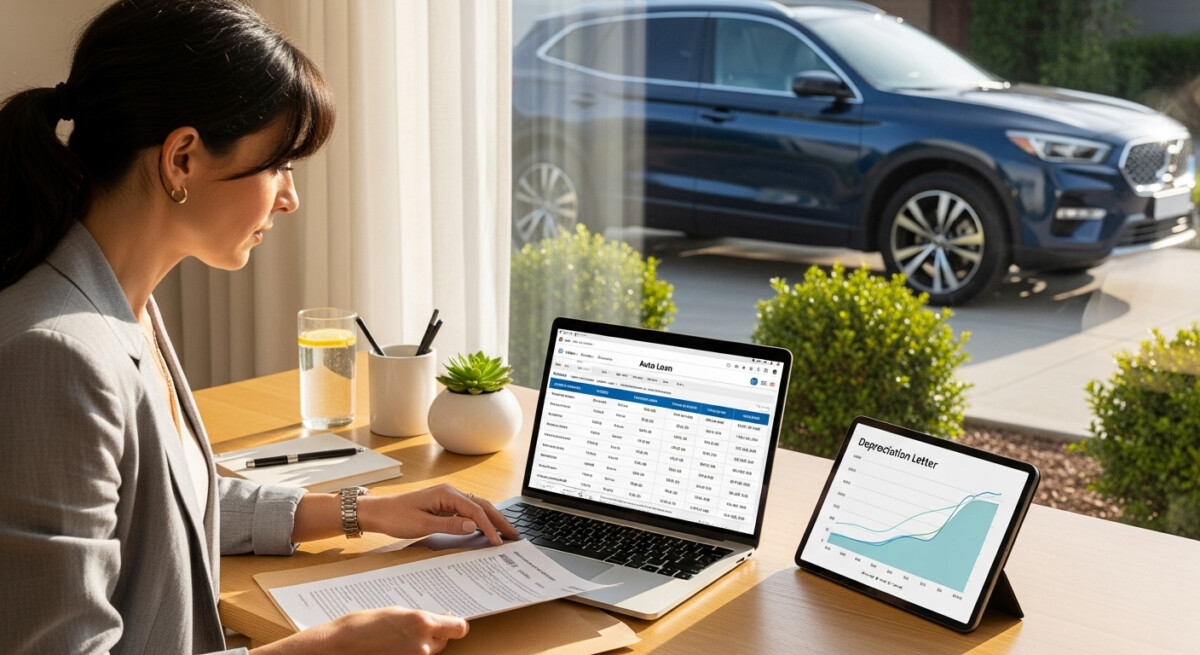
Navigating the world of used car financing can feel like a high stakes gamble. You secured a loan, drove off the lot, and now you’re making monthly payments. But what if the financial landscape has shifted since you signed on the dotted line? Understanding current used car interest rates today is more than just market trivia, it’s the key to unlocking significant savings through strategic refinancing. For many drivers, a used vehicle loan represents a major financial commitment, and the interest rate attached to it directly impacts your monthly budget and total cost of ownership. This article will demystify today’s used car loan rates, explain the factors that influence them, and provide a clear roadmap for evaluating if refinancing your existing loan is a smart financial move that could put hundreds, or even thousands, of dollars back in your pocket.
Understanding Today’s Used Car Loan Rate Environment
The landscape for used car interest rates today is shaped by a complex interplay of national economic policy, lender risk assessment, and individual borrower profiles. Unlike new car loans, which often come with subsidized rates from manufacturers, used vehicle loan rates are typically higher. This premium reflects the increased risk lenders associate with a depreciating asset. As of the current market, used car APRs (Annual Percentage Rates) generally range from approximately 6% for borrowers with exceptional credit to over 20% for those with poor or limited credit histories. The average tends to sit several percentage points above the average new car rate.
Several macroeconomic factors directly influence these rates. The Federal Reserve’s benchmark interest rate is the primary driver. When the Fed raises rates to combat inflation, the cost for banks to borrow money increases, and this cost is passed down to consumers in the form of higher APRs on all types of loans, including auto loans. Lender competition, the overall supply of and demand for credit, and broader economic confidence also play crucial roles. It’s important to remember that “today’s rates” are a snapshot, they are fluid and can change based on economic data releases and policy announcements. Therefore, when considering a refinance, timing and a keen eye on rate trends are valuable assets.
Key Factors That Determine Your Personal Used Car Interest Rate
While the national average provides a benchmark, your personal used car interest rate is dictated by a set of individual criteria. Lenders use these factors to assess the risk of lending to you and price the loan accordingly. The single most influential element is your credit score. It acts as a numerical summary of your credit history and repayment behavior. Borrowers with FICO scores above 720 (often termed “prime” or “super-prime”) will qualify for the most competitive used car interest rates today. Those with scores in the 600s (“near-prime”) will see higher rates, and borrowers with scores below 600 (“subprime”) face the highest APRs as lenders seek to offset the perceived risk of default.
Beyond your credit score, lenders scrutinize your credit report for depth and stability. A long history of on-time payments across different credit types (revolving credit like credit cards, and installment loans like a mortgage) is favorable. Your debt-to-income ratio (DTI), which compares your total monthly debt payments to your gross monthly income, is another critical metric. A lower DTI indicates you have more disposable income to handle a new or refinanced loan payment. Finally, loan-specific details matter: the age and mileage of the used car (older, high-mileage cars may carry higher rates), the loan amount relative to the car’s value (loan-to-value ratio), and the loan term itself. Longer terms (72 or 84 months) often come with higher interest rates than shorter 36 or 48-month terms, increasing the total finance charge significantly.
The Strategic Power of Auto Loan Refinancing
Refinancing an auto loan involves replacing your current loan with a new one, ideally with better terms. This is not just for new cars, it’s a powerful and often overlooked tool for used car owners. The primary goal is to secure a lower interest rate, which can reduce your monthly payment and the total interest paid over the life of the loan. However, the benefits extend beyond just a lower rate. Refinancing can also allow you to change the loan term. You might shorten the term to pay off the car faster and save on interest, or, if cash flow is tight, you might extend the term to lower the monthly payment (though this usually increases total interest).
So, when does refinancing a used car loan make strategic sense? Several scenarios present a strong opportunity. First, and most common, is an improvement in your credit score. If your credit has improved substantially since you originally financed the car (you’ve paid down other debts, corrected errors on your report, or built a longer positive history), you may now qualify for a much better rate. Second, a general drop in market interest rates can make refinancing attractive even if your credit is unchanged. Third, if you initially financed through the dealership with a high rate and have since paid on time for 6-12 months, you may have built enough payment history to qualify for a better deal elsewhere. For a deeper dive into how market rates influence this decision, our guide on auto loan interest rates today and refinancing provides a detailed framework.
How to Evaluate and Pursue Refinance Opportunities
Taking a systematic approach to refinancing will ensure you get the best possible deal. Start by gathering your current loan information. You need your remaining loan balance, current interest rate, monthly payment, and the official payoff amount (which may be slightly more than the balance due to accrued interest). Next, obtain a current copy of your credit report from AnnualCreditReport.com to check for accuracy and know your score. With this information in hand, you can begin shopping for new rates. It’s crucial to get quotes from multiple sources: online lenders, credit unions (which are often very competitive for auto refinancing), and local banks. When you shop for refinance rates within a focused 14-45 day period, it typically counts as a single inquiry on your credit report, minimizing the impact on your score.
When comparing offers, look beyond just the monthly payment. Analyze the new interest rate, the loan term, any fees associated with the new loan (origination fees, title transfer fees), and the total cost of the loan over time. Use an auto loan refinance calculator to compare your current loan’s total remaining cost versus the total cost of the new loan offer. Here is a checklist of documents and information you will likely need to complete a refinance application:
- Personal information (Social Security Number, driver’s license)
- Details about your current vehicle (make, model, year, VIN, mileage)
- Proof of income (recent pay stubs or tax returns)
- Proof of insurance
- Information about your current auto loan (lender name, account number, payoff quote)
Once you accept an offer, the new lender will pay off your old loan and you will begin making payments to the new lender. The process typically takes two to four weeks. For borrowers who have diligently improved their credit scores and are now positioned for better terms, the opportunity to refinance your auto loan at a lower rate can translate into direct and meaningful monthly savings, enhancing your overall financial flexibility.
Potential Pitfalls and Considerations
While refinancing offers clear benefits, it’s not the right move in every situation. Be mindful of potential drawbacks. First, check if your current loan has a prepayment penalty. This is a fee charged for paying off the loan early, and it could negate your savings. Second, be cautious about extending your loan term solely to get a lower monthly payment. While it frees up cash flow now, you will pay more in interest over the long run and remain in debt longer. Third, if your car is older or has high mileage, or if you owe more than the car is currently worth (being “upside-down” or having negative equity), you may find it difficult to qualify for refinancing. Lenders have specific age, mileage, and loan-to-value requirements for refinanced used auto loans.
Another key consideration is the break-even point. If the new loan has closing costs or fees, calculate how many months of savings it will take to recoup those costs. If you plan to sell the car before that point, refinancing may not be worthwhile. Finally, refinancing resets the clock on your loan. If you are several years into a five-year loan and refinance into a new five-year term, you are stretching out the debt and potentially paying more interest overall, even at a lower rate. Always run the numbers for both the short-term (monthly payment) and long-term (total interest) impact.
Frequently Asked Questions
What is a good interest rate for a used car loan today?
A “good” rate depends heavily on your credit profile. As a general benchmark, a rate at or below the national average for your credit tier is competitive. For borrowers with excellent credit (720+), rates in the 5-7% range can be considered good. For good credit (660-719), 7-10% is typical. Always compare multiple offers to define what’s good for you.
How much can I save by refinancing my used car loan?
Savings vary widely. Reducing your APR by 2% on a $20,000 loan with 3 years remaining could save you approximately $20 per month and over $700 in total interest. A larger rate reduction or a larger loan balance yields greater savings. Use an online calculator with your specific numbers for an accurate estimate.
Does refinancing a car loan hurt your credit?
The process causes a hard inquiry, which may temporarily lower your score by a few points. However, the new loan can help your credit in the long term by adding to your credit mix and, if you make payments on time, building a positive payment history. The hard inquiry impact fades quickly, usually within a few months.
Can I refinance a used car loan with bad credit?
It is more challenging, but not impossible. Your goal may shift from lowering the rate to finding a more stable lender or adjusting the payment. You may need a co-signer or might explore lenders specializing in non-prime borrowers. Be wary of predatory terms, and focus on improving your credit first if possible.
How soon after buying a used car can I refinance?
It’s advisable to wait at least 6-12 months and make all payments on time. This establishes a positive payment history on the auto loan itself and may allow time for your credit score to improve from its post-purchase dip. Some lenders have specific requirements, such as a minimum number of payments made to the original lender.
Staying informed about used car interest rates today and proactively managing your auto debt are hallmarks of sound financial planning. Refinancing is a powerful lever that, when pulled at the right time and for the right reasons, can transform a burdensome monthly obligation into a more manageable expense, accelerating your journey toward greater financial security and freedom. By assessing your personal situation against the current market, shopping diligently, and carefully weighing the long-term math, you can confidently determine if this strategic move is the key to unlocking savings on your used vehicle loan.