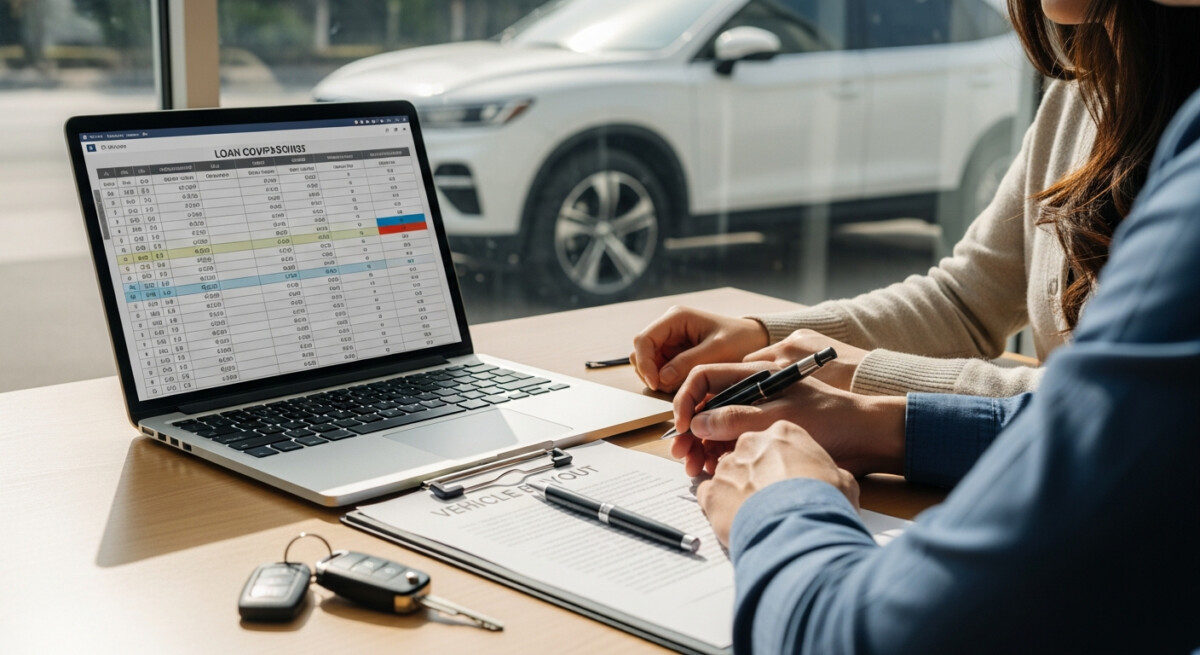
If you are nearing the end of your car lease and love the vehicle, buying it out can be a smart financial move. But the interest rate on a lease buyout loan can make or break the deal. Many drivers assume they must accept the dealer’s financing offer, but that is rarely the best option. By understanding how car lease interest rates work and exploring a lease buyout refinance, you can potentially save hundreds or even thousands of dollars. This guide walks you through the process, the numbers, and the strategies to secure better terms.
Understanding Car Lease Interest Rates
When you lease a car, you do not own the vehicle. You pay for its depreciation during the lease term plus a finance charge called the money factor. The money factor is essentially the interest rate on a lease, expressed as a small decimal. To convert a money factor to a traditional annual percentage rate (APR), multiply it by 2,400. For example, a money factor of 0.00125 equals an APR of 3.0 percent.
Car lease interest rates are influenced by several factors including your credit score, the vehicle’s residual value, and current market conditions. Unlike a purchase loan where you borrow the full vehicle price, a lease only finances the difference between the capitalized cost and the residual value. This means the finance charges are lower overall, but the rate can still vary significantly. If you decide to buy your leased car at lease end, you will need to secure a separate loan for the buyout amount. That is where the concept of a lease buyout refinance comes into play.
What Is a Lease Buyout Refinance?
A lease buyout refinance is simply a new auto loan used to purchase the vehicle you have been leasing. Instead of walking away from the lease or paying cash, you borrow the buyout price from a lender. This is similar to refinancing an existing car loan, but the key difference is that you are financing a vehicle you do not yet own. The buyout price is usually the residual value stated in your original lease contract. If the vehicle is worth more than that residual, you have equity. If it is worth less, you may want to negotiate the buyout price with the leasing company.
Many people overlook this option because they think the dealer is the only source for the buyout loan. In reality, you can shop for a lease buyout refinance from banks, credit unions, and online lenders. By comparing offers, you can often secure a lower interest rate than what the dealership or captive finance company offers. This is especially beneficial if your credit has improved since you signed the lease. In our related guide on can you refinance a leased car, we explain the specific eligibility requirements and how to approach lenders who specialize in this type of transaction.
Factors That Affect Lease Buyout Interest Rates
Several key elements determine the rate you will be offered on a lease buyout loan. Understanding these can help you prepare and improve your chances of approval.
Credit Score: Lenders use your credit score as the primary indicator of risk. A higher score typically qualifies for lower rates. If your credit score has improved during the lease term, you may be able to secure a much better rate than what was available when you first leased.
Loan Term: Shorter loan terms generally come with lower interest rates but higher monthly payments. Longer terms reduce the monthly payment but increase the total interest paid over the life of the loan. Choose a term that balances affordability with total cost.
Vehicle Age and Mileage: Lenders consider the age and mileage of the vehicle. Most lease buyout loans are for cars that are two to four years old with moderate mileage. If your vehicle has high mileage or is older, some lenders may consider it a higher risk and offer a higher rate.
Loan-to-Value Ratio (LTV): The loan amount compared to the vehicle’s market value matters. If the buyout price is below the car’s current market value, you have positive equity, which makes lenders more comfortable. If the buyout is higher than the market value, you may face a higher rate or even a denial.
How to Secure the Best Lease Buyout Refinance Rate
Getting a great rate on a lease buyout refinance requires preparation and comparison shopping. Follow these steps to maximize your savings.
Step 1: Check Your Credit Report. Before applying, review your credit reports from all three bureaus (Equifax, Experian, TransUnion). Dispute any errors you find. A cleaner credit profile can boost your score and qualify you for better rates.
Step 2: Know Your Buyout Price. Contact your leasing company to get the exact payoff amount. This includes the residual value plus any fees. Ask if there is a purchase option fee or a disposition fee that can be waived if you buy the car.
Step 3: Shop Multiple Lenders. Do not settle for the first offer. Compare rates from banks, credit unions, and online lenders that specialize in auto lease buyout refinance. Many credit unions offer competitive rates for members. You can also use a platform like CarLoanRefinancing.com to connect with a network of lenders that understand lease buyout financing.
Step 4: Consider a Shorter Loan Term. While a 72-month or 84-month loan lowers your payment, a 48-month or 60-month term typically offers a lower APR. If the monthly payment is manageable, choose the shortest term you can afford.
Step 5: Negotiate the Buyout Price. If the market value of your vehicle is lower than the residual value, you can negotiate with the leasing company. They may be willing to reduce the buyout price to avoid the hassle of repossessing and selling the car. This lowers the loan amount and can help you qualify for a better rate.
Benefits of Refinancing a Lease Buyout
Choosing to refinance your lease buyout rather than accepting dealer financing offers several advantages.
- Lower Interest Rates: You can shop for the most competitive rates available, potentially saving 2 to 5 percent on your APR compared to dealer captive financing.
- Flexible Loan Terms: You choose the term that fits your budget, from 36 to 84 months, depending on the lender.
- No Prepayment Penalties: Most auto loans from reputable lenders have no prepayment penalties, allowing you to pay off the loan early without extra fees.
- Potential Equity: If your car is worth more than the buyout, you build equity immediately. This can be useful if you decide to sell the car later.
- Improved Cash Flow: A lower monthly payment can free up money for other expenses or savings goals.
These benefits make a lease buyout refinance a powerful tool for drivers who want to keep their vehicle without overpaying for financing. However, it is important to compare the total cost of the refinance versus paying cash or using dealer financing.
When to Avoid a Lease Buyout Refinance
While this strategy works well for many, it is not always the right move. Consider these scenarios where refinancing might not be beneficial.
Negative Equity: If your vehicle is worth significantly less than the buyout price, you will be underwater on the loan from day one. In that case, it may be better to return the car and lease or buy a different vehicle. Rolling negative equity into a new loan can be a financial trap.
High Interest Rates: If your credit score is low, the rates offered on a lease buyout refinance may be higher than what you are currently paying on the lease money factor. In that case, you might be better off keeping the lease or walking away.
Warranty and Maintenance Concerns: Once you buy the car, you are responsible for all repairs and maintenance. If the vehicle is out of warranty and has a history of problems, purchasing it may not be wise. Factor in potential repair costs when deciding.
Short-Term Needs: If you plan to keep the car for only a year or two, buying it out and financing it may not make sense due to transaction costs and depreciation. A short-term lease or a used car purchase might be more efficient.
Frequently Asked Questions
Can I refinance a leased car before the lease ends?
Generally, you cannot refinance a lease while it is active. The lease contract must be completed or you must buy out the lease first. Some lenders offer early buyout options, but you will need to check your lease terms. Once you purchase the vehicle, you can then refinance the loan.
Is a lease buyout refinance the same as a regular auto loan?
Yes and no. The loan structure is identical, but some lenders have specific rules about lease buyouts. They may require the vehicle to be a certain age or mileage. They also need to see the buyout agreement from the leasing company. Always ask the lender if they handle lease buyout transactions before applying.
Will a lease buyout refinance hurt my credit score?
Applying for multiple loans within a short period can temporarily lower your credit score due to hard inquiries. However, if you shop for rates within a 14- to 45-day window, credit scoring models treat them as a single inquiry. Once you secure the loan, making on-time payments can actually improve your score.
What documents do I need for a lease buyout refinance?
Typical requirements include your lease contract, the buyout quote from the leasing company, proof of income, proof of insurance, and your driver’s license. Some lenders may also ask for the vehicle’s title information or a vehicle inspection.
Can I negotiate the buyout price with the leasing company?
Yes. If the market value of your vehicle is lower than the residual value, you have leverage. The leasing company would rather sell the car to you at a reduced price than deal with the costs of repossessing and auctioning it. Be polite but firm in your request.
Making the Right Decision for Your Finances
Deciding whether to buy out your leased car and refinance the loan comes down to the numbers. Compare the total cost of the lease buyout refinance with the cost of starting a new lease or buying a different used car. Factor in the vehicle’s condition, your attachment to the car, and your long-term financial goals. If the math works in your favor and you are happy with the vehicle, a lease buyout refinance can be a smart way to keep a reliable car while lowering your interest rate. Use online calculators and consult with lenders to get personalized quotes. The effort you put into comparing rates and terms can pay off for years to come. Remember, you have options. Do not settle for the first offer. Explore your choices and drive away with a deal that fits your budget. Learn more